

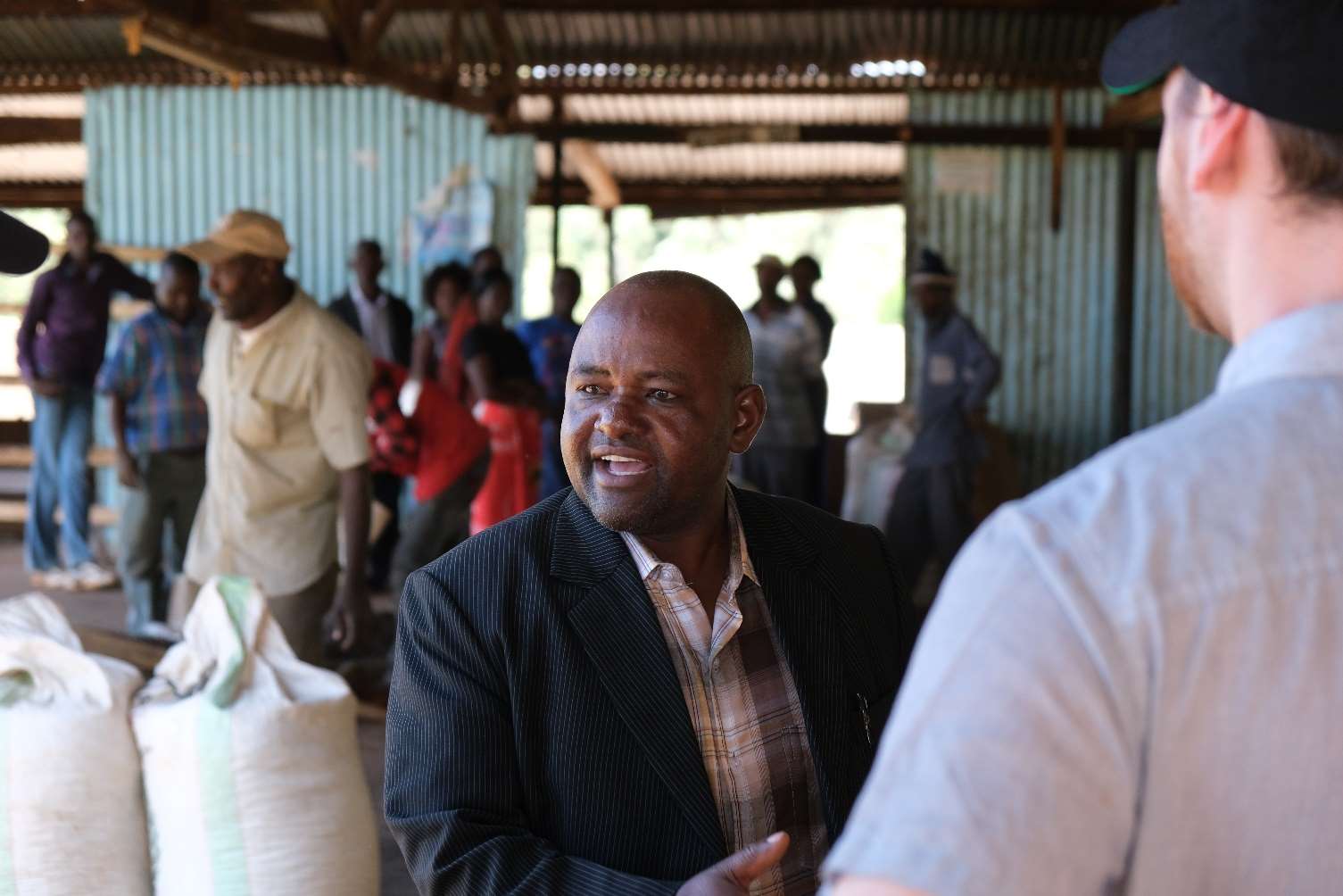

Kenya Baragwi Kagongo comes to us through our regional export partner, NKG East Africa. NKG East Africa serves as our on-the-ground representative across Kenya and neighboring origins. Notably, their team works directly with cooperatives, factories and producers to manage pre-selections, quality control, logistics and traceability from harvest through shipment. With deep regional relationships and technical expertise, NKG East Africa plays a critical role in helping us identify, secure and deliver high-quality coffees with transparency and consistency year after year.
Kagongo Factory
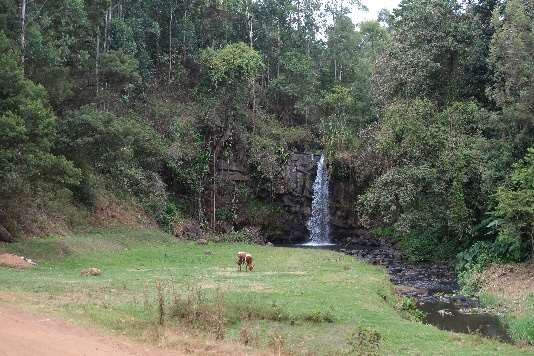
Kenya Baragwi Kagongo is sourced from Kagongo Factory, located on the southern slopes of Mount Kenya. It is one of twelve washing stations operated by Baragwi Farmers Cooperative Society (FCS) in Kirinyaga County. Kagongo Factory sits at elevations between 1,600 and 1,800 meters above sea level. Clay loam soils, annual rainfall averaging 1,400 mm and moderate temperatures around 20.5°C create ideal conditions for slow cherry maturation and dense seed development. Flowering typically occurs from February through March, followed by harvest from October through December. In general, annual production averages approximately 1,700 bags (60 kg).
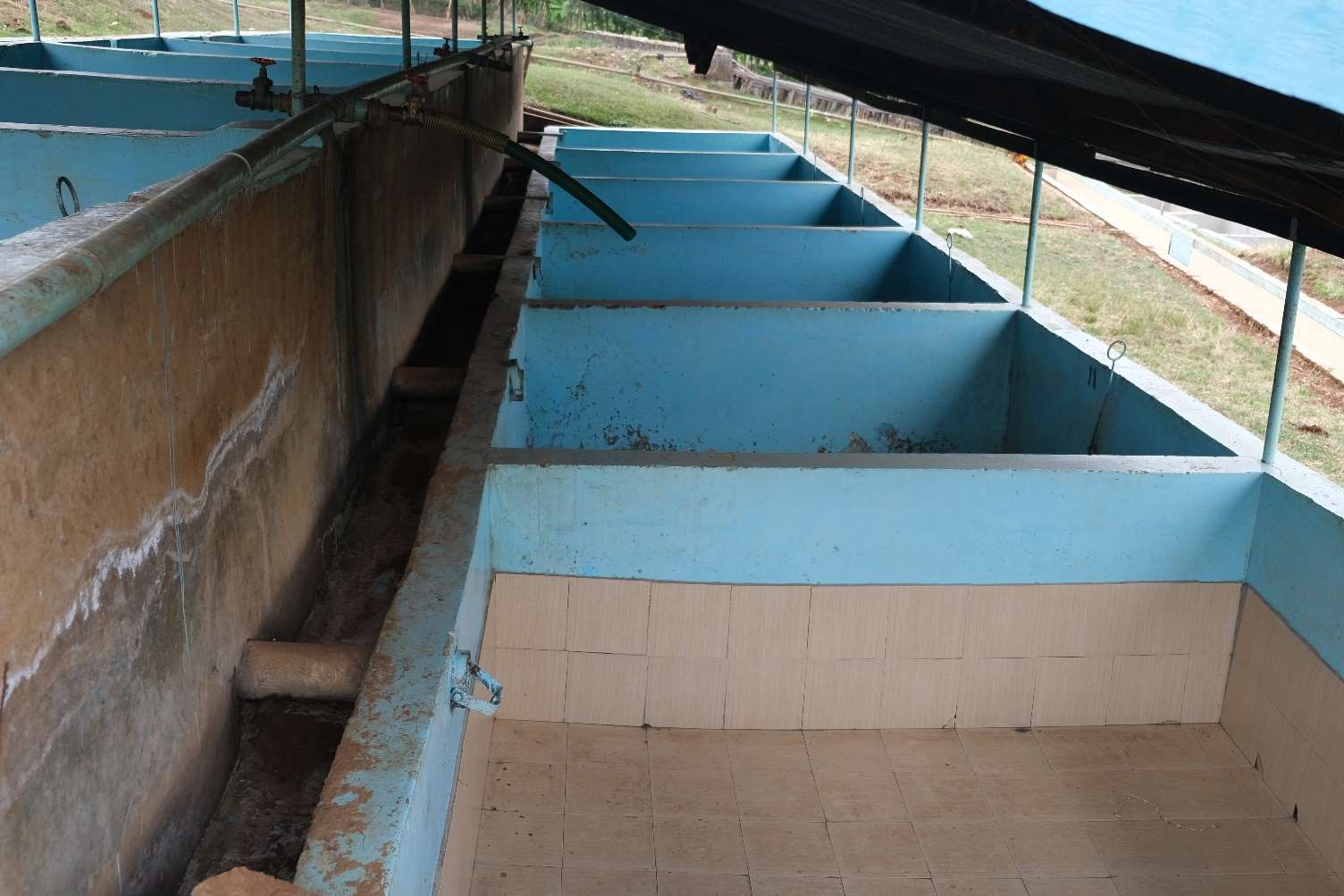
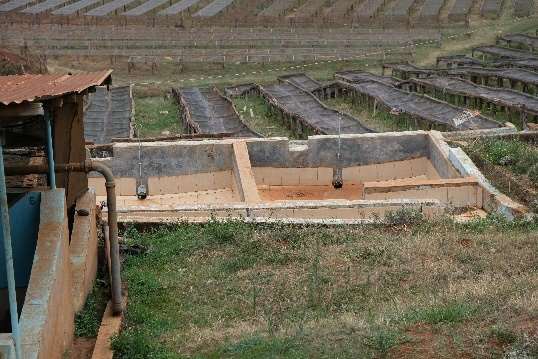
This fully washed lot is composed of SL28, SL34, Batian and Ruiru 11 — combining Kenya’s classic heritage varieties with disease-resistant cultivars that support long-term farm resilience. Ripe cherries are carefully hand-sorted before pulping and undergo overnight fermentation. Following washing, parchment is density graded into P1, P2, P3, P lights and pods before drying on raised beds for 8–14 days. Baragwi factories utilize tiled washing channels to improve hygiene and water flow and ongoing infrastructure upgrades. Such upgrades include the transition from wooden to metal drying tables, which further enhances processing consistency.
Baragwi Farmers Cooperative Society
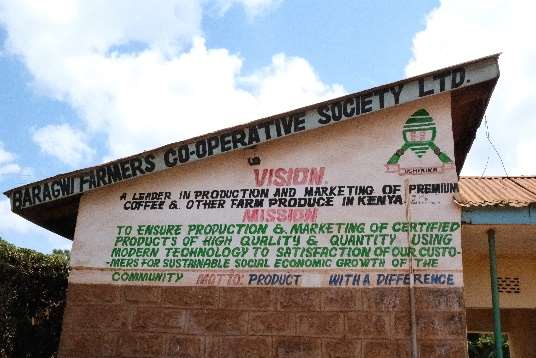
Baragwi Farmers Cooperative Society is the largest coffee cooperative society in Kenya. This FCS represents more than 15,000 members, with approximately 1,500 active farmers delivering cherry to Kagongo alone. The cooperative has built a reputation for disciplined organization, strong infrastructure and consistent quality management at scale. Baragwi FCS maintains standardized processing protocols across all its factories. Tiled washing channels enhance cleanliness and efficiency. Wooden drying tables are gradually being replaced with more durable metal structures. Factory managers rotate between washing stations every two years, encouraging knowledge transfer and reinforcing consistent quality across the society.