

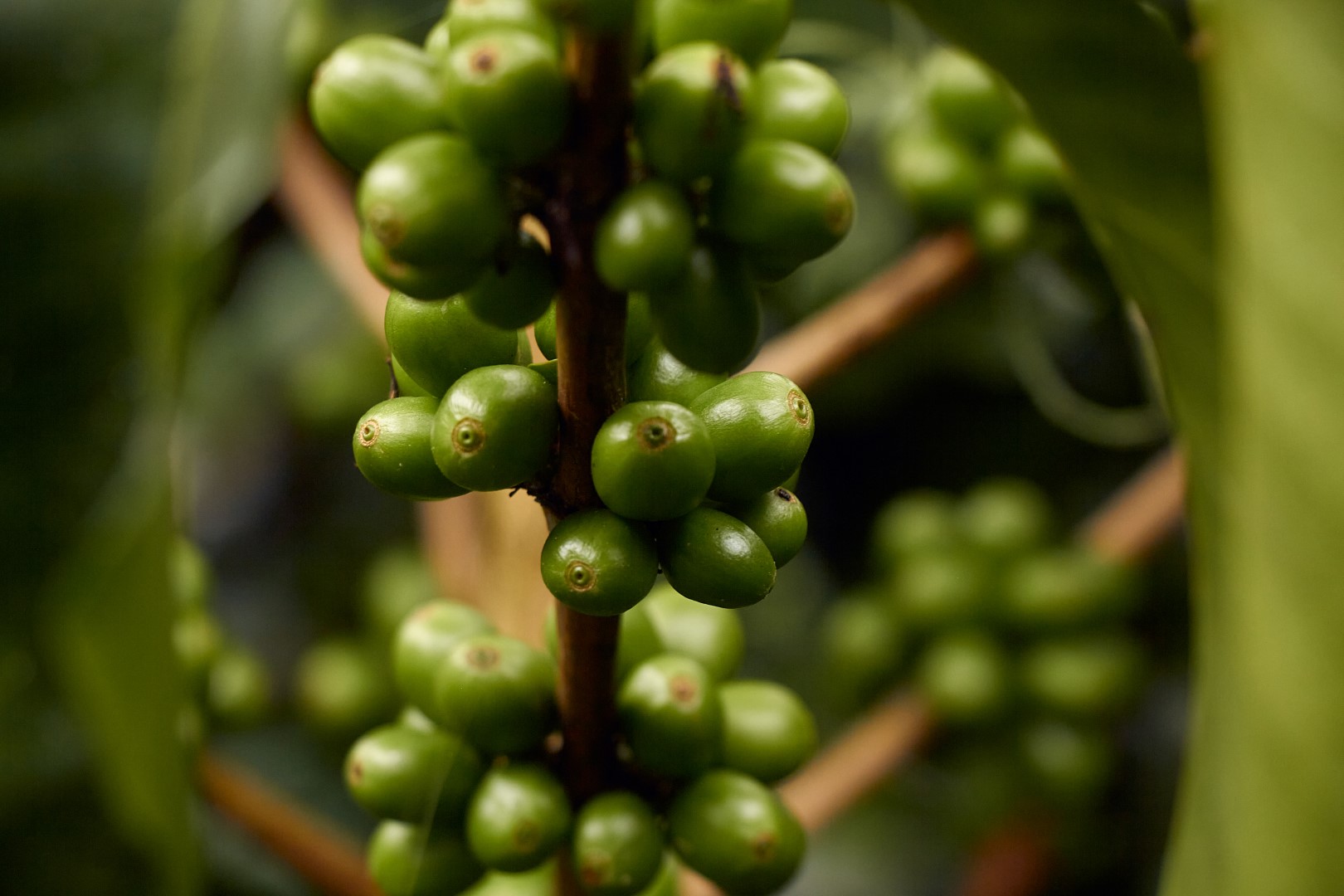

Centrals Blend Decaf MC Rainforest Alliance Certified offers the balanced, clean and sweet cup profile for which Central American coffees are renowned. Additionally, the methylene chloride decaffeination process helps preserve the coffee’s inherent sweetness and lively acidity, resulting in a mild, approachable cup with exceptional flavor integrity.
Methylene Chloride Process
Methylene chloride (MC) is a solvent used in both methods of direct decaffeination. The methylene chloride process is thought by some in the coffee industry to maintain coffee flavor better than other processes.
Based on extensive research data, the U.S. Food and Drug Administration (FDA) has determined that methylene chloride is safe for use in coffee decaffeination. FDA regulation allows for up to 10 parts per million (ppm) of residual methylene chloride, but actual coffee-industry practice results in levels that are 100 times lower than this amount.
During this decaffeination process, the coffee beans are soaked in hot water to extract much of the caffeine from the beans. The beans are then removed from the water and the methylene chloride solvent is added to bond with the caffeine. After the methylene chloride/caffeine compound is skimmed from the surface of the mixture, the beans are returned to reabsorb the liquid. This method of decaffeination (sometimes called the KVW method in Europe) removes between 96 and 97 percent of caffeine from a batch of coffee.
About Rainforest Alliance Certification
Rainforest Alliance Certified coffee supports environmental, social, and economic sustainability at every stage of production. This certification ensures that coffee is grown using methods that protect forests, conserve wildlife, promote climate resilience, and uphold the rights and well-being of farmers and workers. The certification ensures a responsibly produced cup, contributing to a healthier planet and more equitable supply chain.