
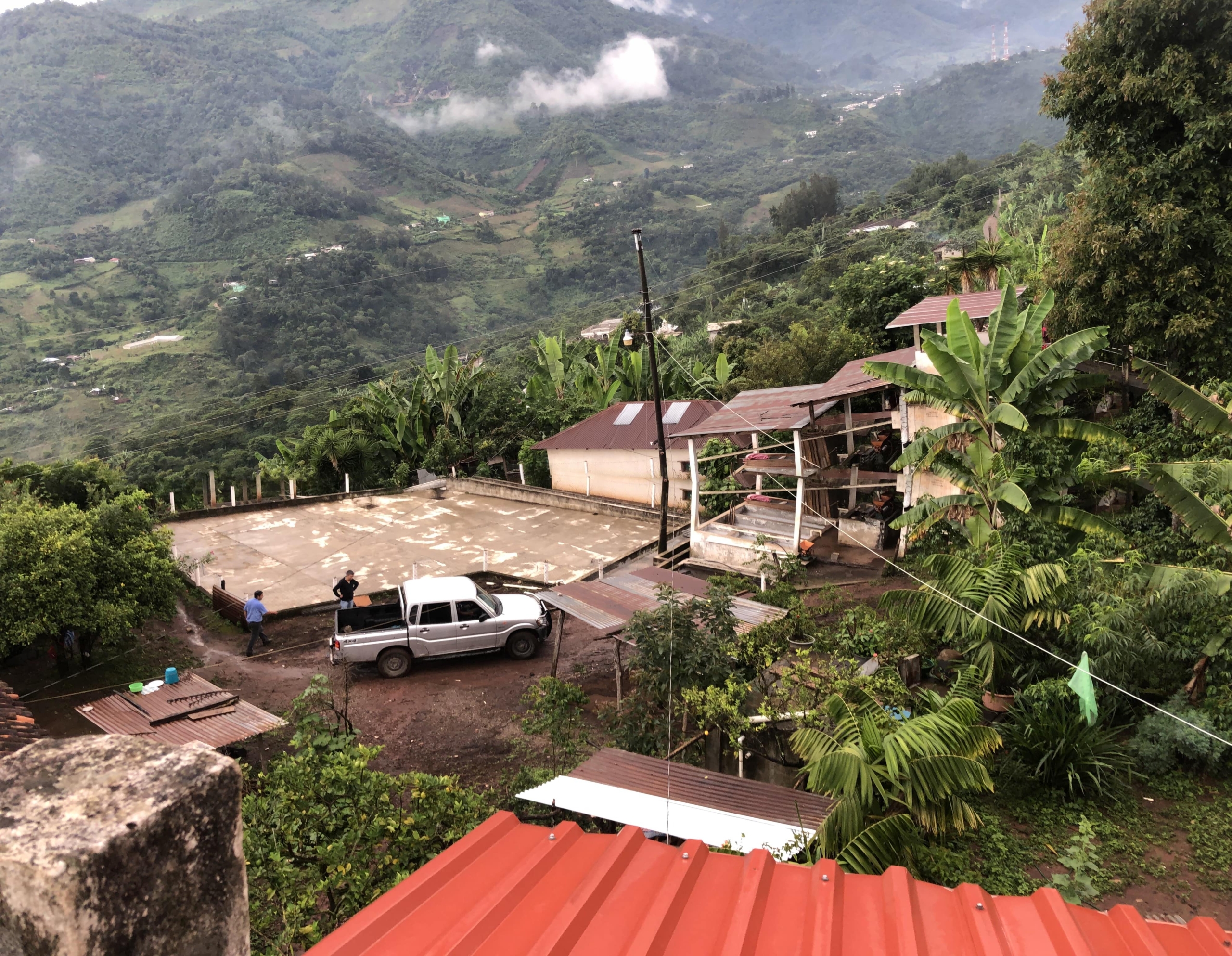
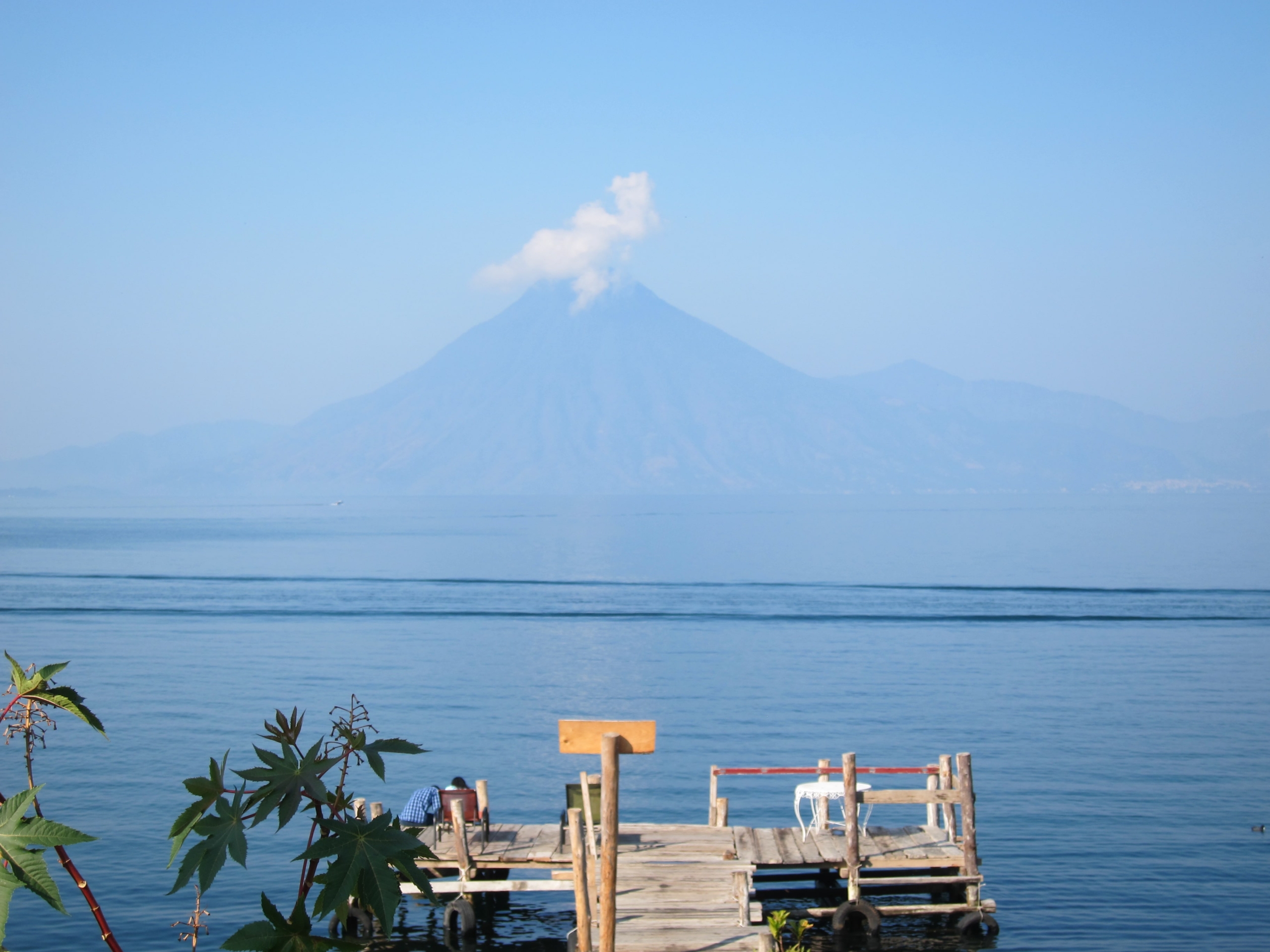
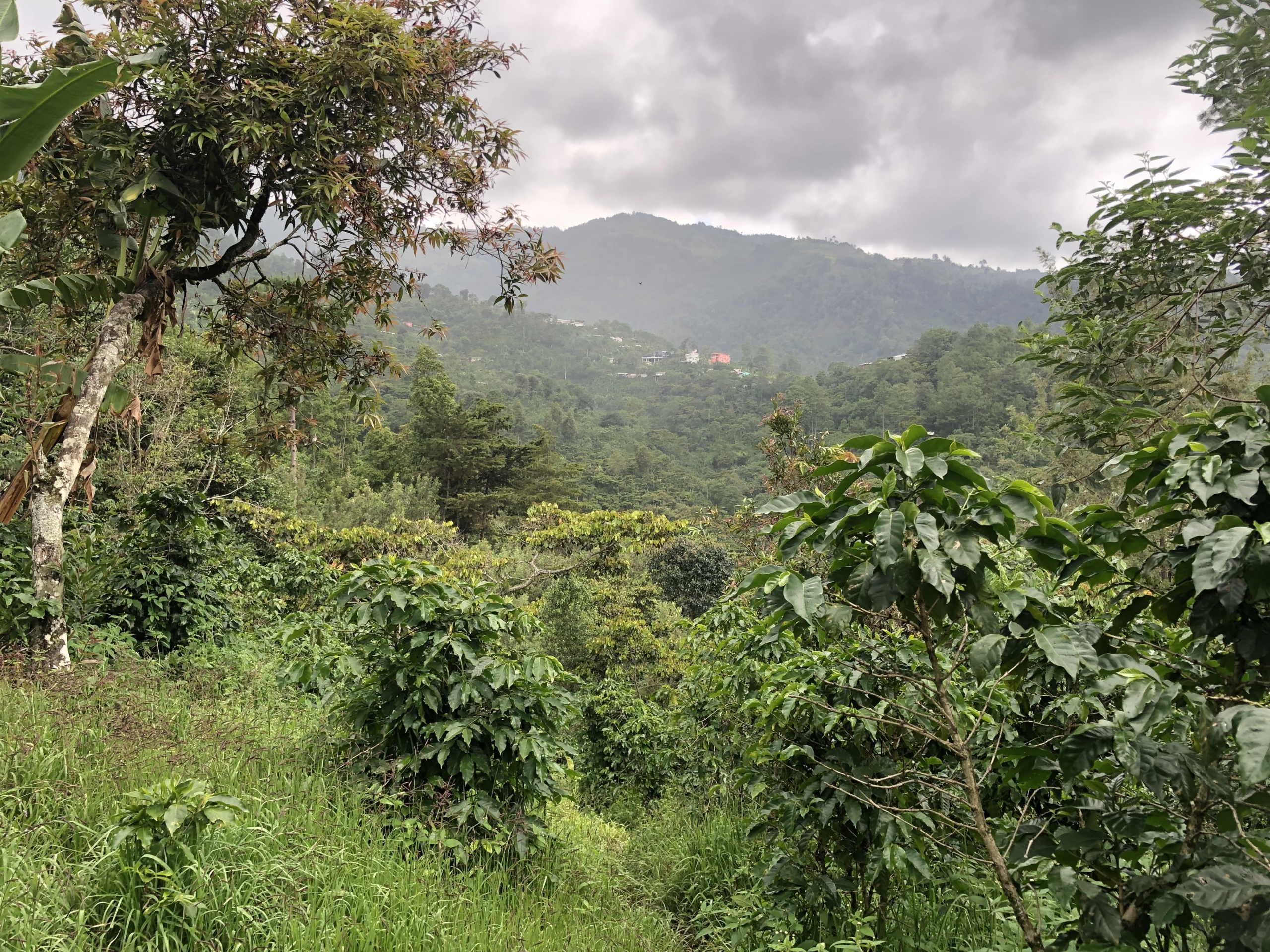
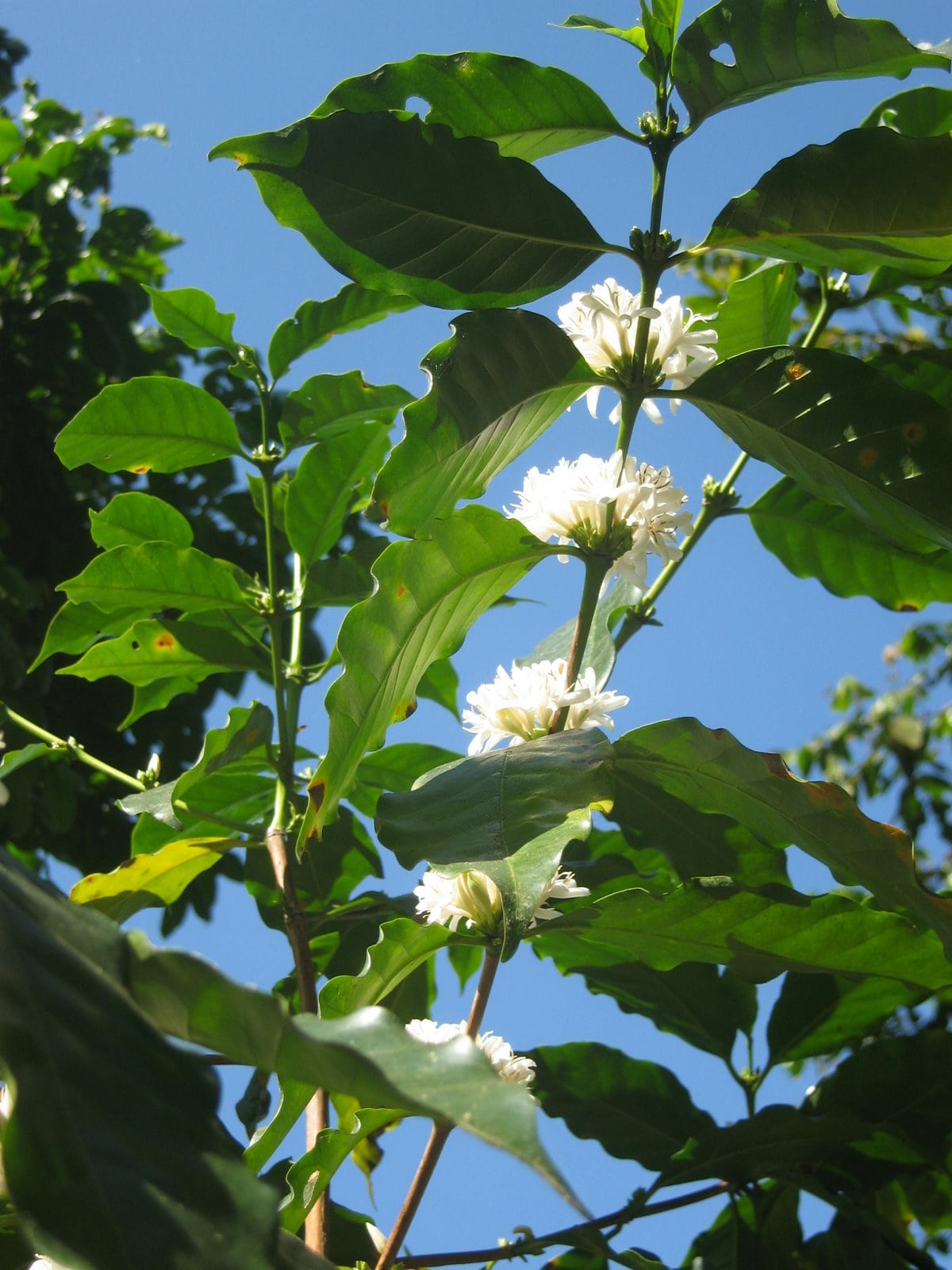

Coffee was introduced to Guatemala in the 18th century by missionaries and colonists, quickly becoming the country’s main export. Currently, Guatemala is the 10th-largest coffee producer worldwide with nearly half of its beans destined for the U.S..
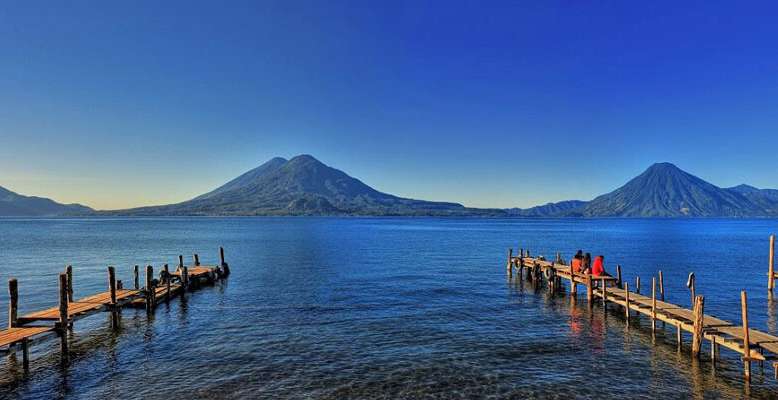
Guatemala’s growing success comes thanks, in part, to its distinct and idyllic micro-climates; mild, subtropical climate; nutrient-rich volcanic soil; consistent temperatures; and a generous rainfall that creates lush growing conditions. Combined with mountains rising over 4,000 masl, Guatemala’s eight distinct growing regions each provide a dream terroir for coffee. The main producing regions are Atitlán, Antigua, Fraijanes Plateau, Cobán rainforest, Huehuetenango Highlands, San Antonio, San Marcos and Nuevo Oriente.
Understanding Coffee Grades
While most of our certified coffees are named for the Cooperatives or regions of origin, you may also see the designations HB, SHB and EP. HB (Hard Bean) specifies that the coffee was grown at an altitude approximately 1,200-1,400 meters above sea level, and the beans are generally a 15-18 screen size. EP (European Preparation) means that the green coffee was sorted by hand to remove any defective beans and foreign material.
About Rainforest Alliance Certification
Rainforest Alliance Certified coffee supports environmental, social, and economic sustainability at every stage of production. This certification ensures that coffee is grown using methods that protect forests, conserve wildlife, promote climate resilience, and uphold the rights and well-being of farmers and workers. The certification ensures a responsibly produced cup, contributing to a healthier planet and more equitable supply chain.