


Kenya Thiririka Kiganjo AB comes to us through our regional export partner, NKG East Africa. NKG East Africa serves as our on-the-ground representative across Kenya and neighboring origins. Notably, their team works directly with cooperatives, factories and producers to manage pre-selections, quality control, logistics and traceability from harvest through shipment. With deep regional relationships and technical expertise, NKG East Africa plays a critical role in helping us identify, secure and deliver high-quality coffees with transparency and consistency year after year.
Kiganjo Factory
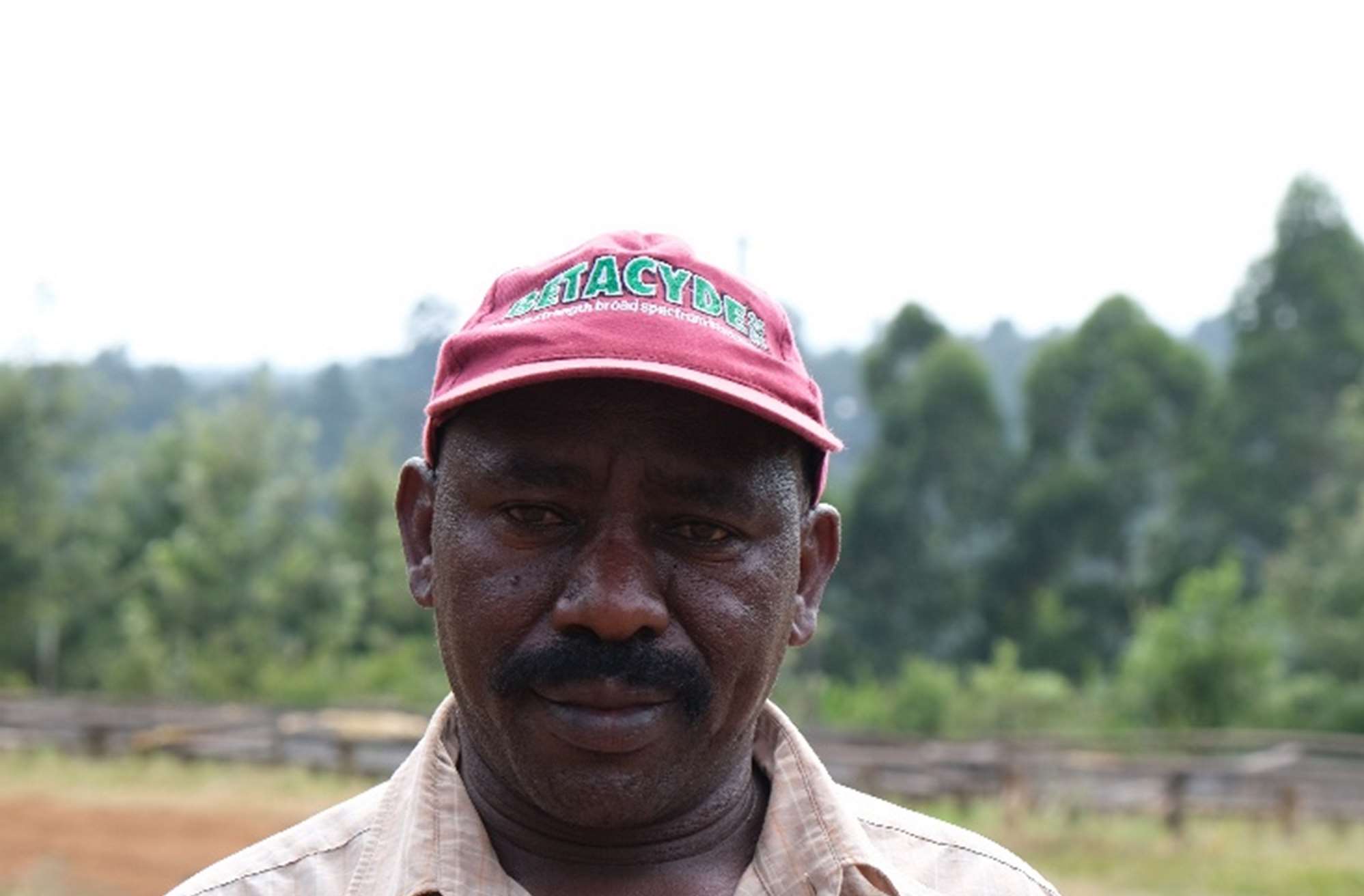
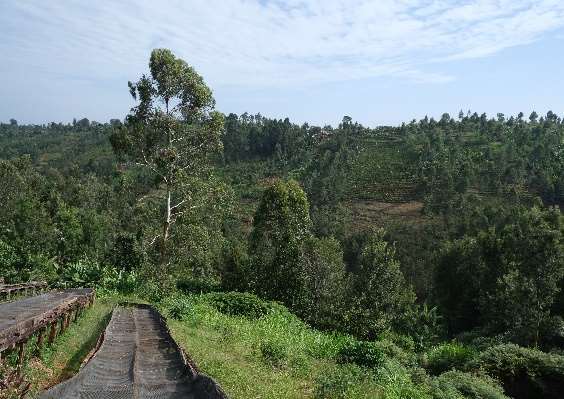
Perched at 1,600–1,800 meters above sea level in Kiambu County, Kiganjo Factory is one of three washing stations operated by Thiririka Farmers Cooperative Society — the largest cooperative in the county. Thiririka represents a significant and quality-focused force in central Kenya’s coffee landscape. Specifically, it is comprised of 1,800 active farmer members with an annual production of approximately 1,400 bags (60 kg).
Producer members cultivate classic Kenyan varieties — SL 28, SL 34, Batian and Ruiru 11. These are selected for cup quality, disease resistance and adaptability to the region’s conditions.
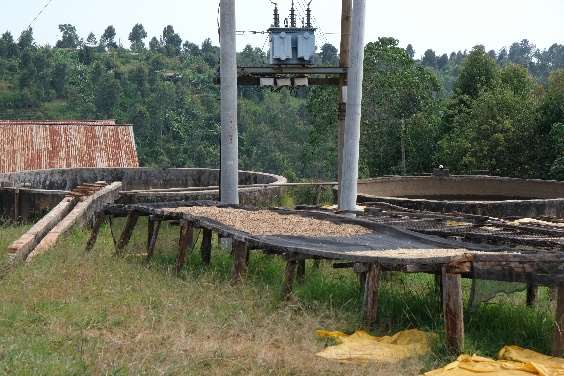
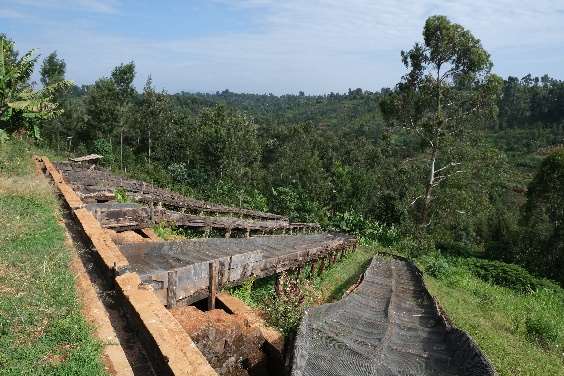
Kenya Thiririka Kiganjo cherry is hand-sorted upon delivery. Subsequently, the coffee is pulped. Next the parchment undergoes overnight fermentation, followed by washing. Then the parchment is graded by density into P1, P2, P3 and P lights. Drying takes place on raised beds for 15–21 days, allowing for steady moisture reduction and preservation of clarity and structure in the cup.
Thiririka Farmers Cooperative Society
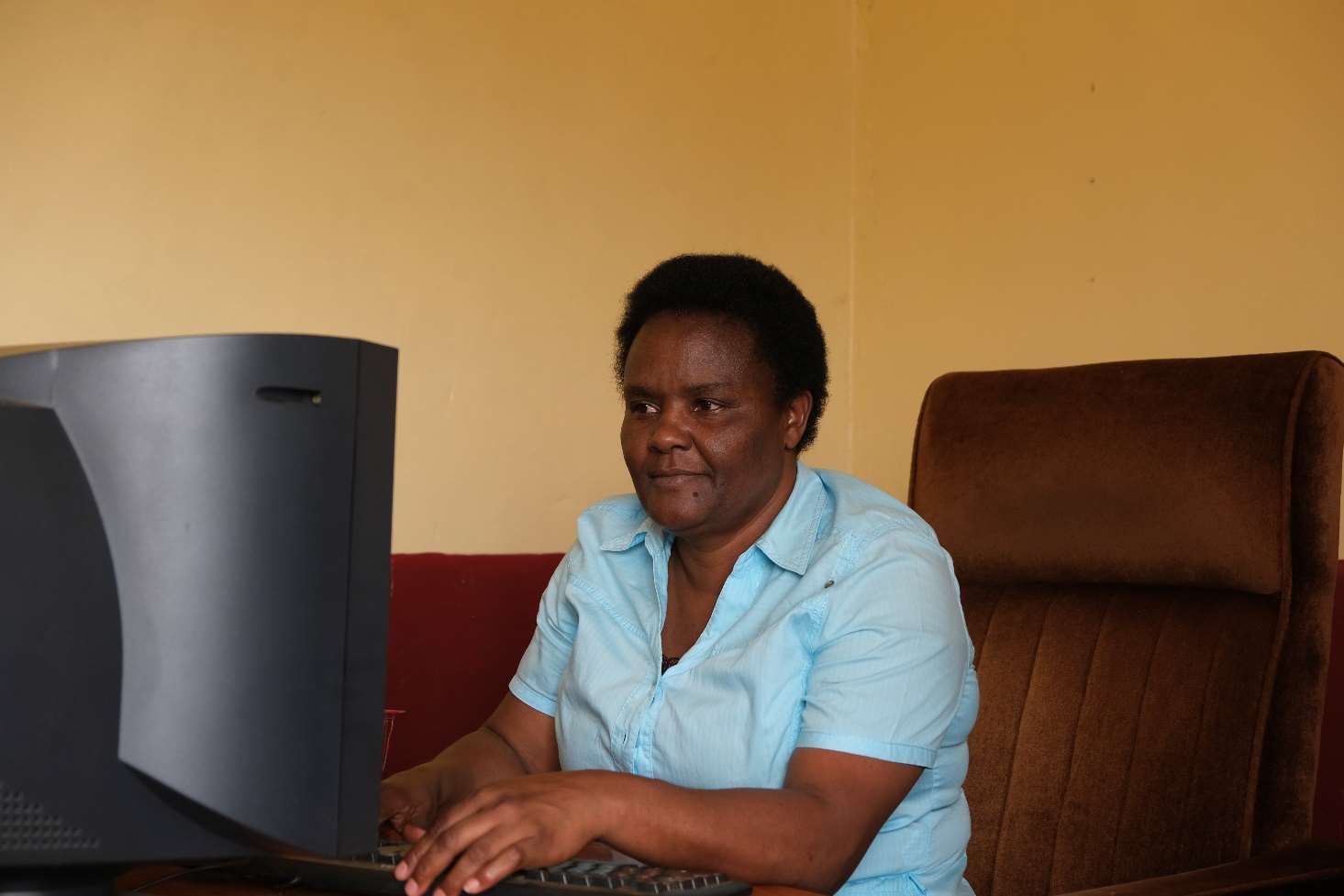
In recent years, Thiririka FCS has invested heavily in infrastructure improvements across its factories. This includes tiled washing channels and tanks, as well as upgraded metal drying tables. The cooperative also employs three agronomists who provide ongoing farmer training, contributing to measurable gains in both productivity and quality.
Coffees from Kiganjo reflect the hallmarks of high-grown central Kenya profiles — articulate acidity, structured sweetness and layered fruit character — backed by organized cooperative management and continued reinvestment at origin.
Cupping notes: Limoncello, tamarind, pineapple, concord grape, ripe mango.