

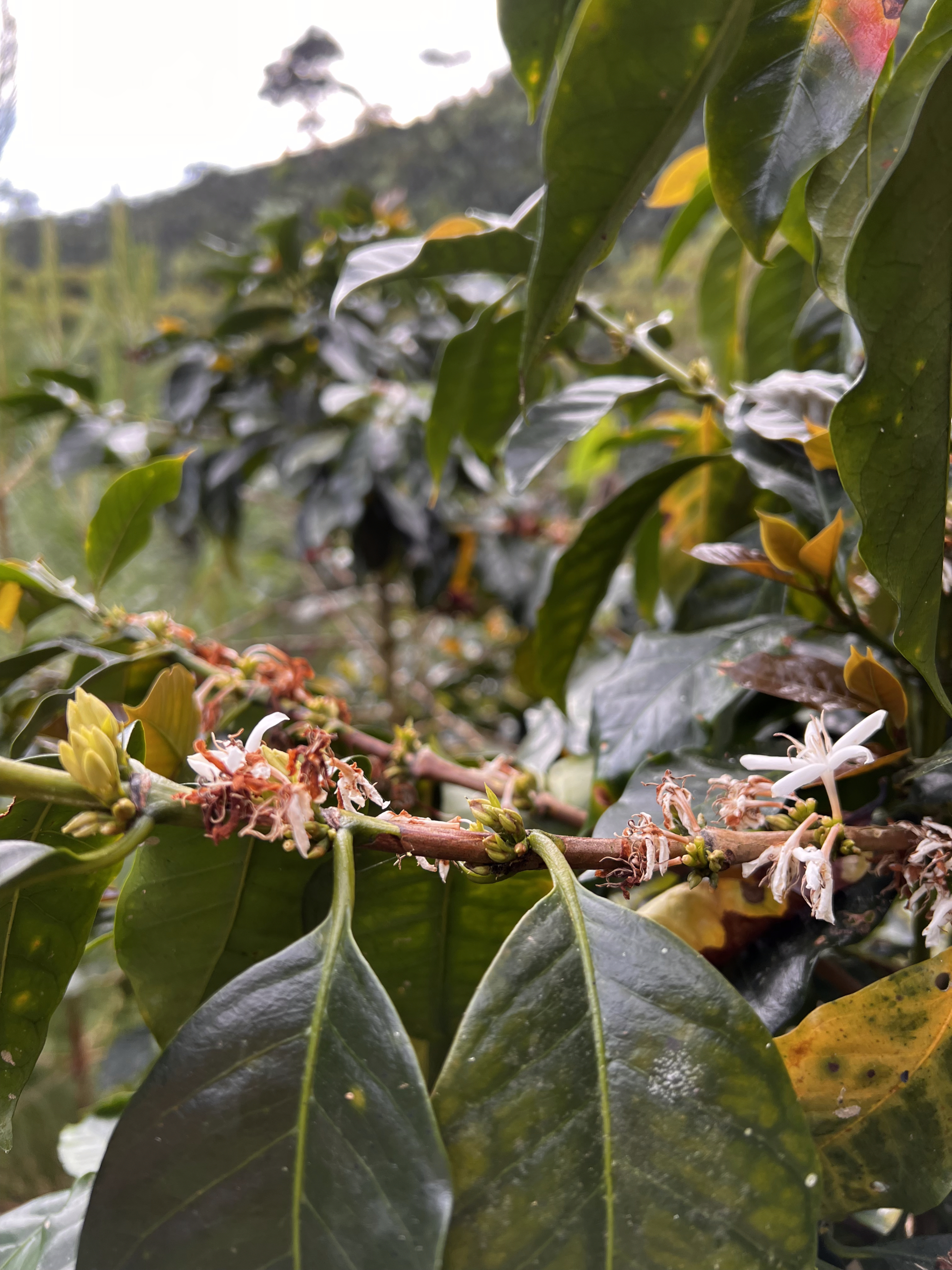
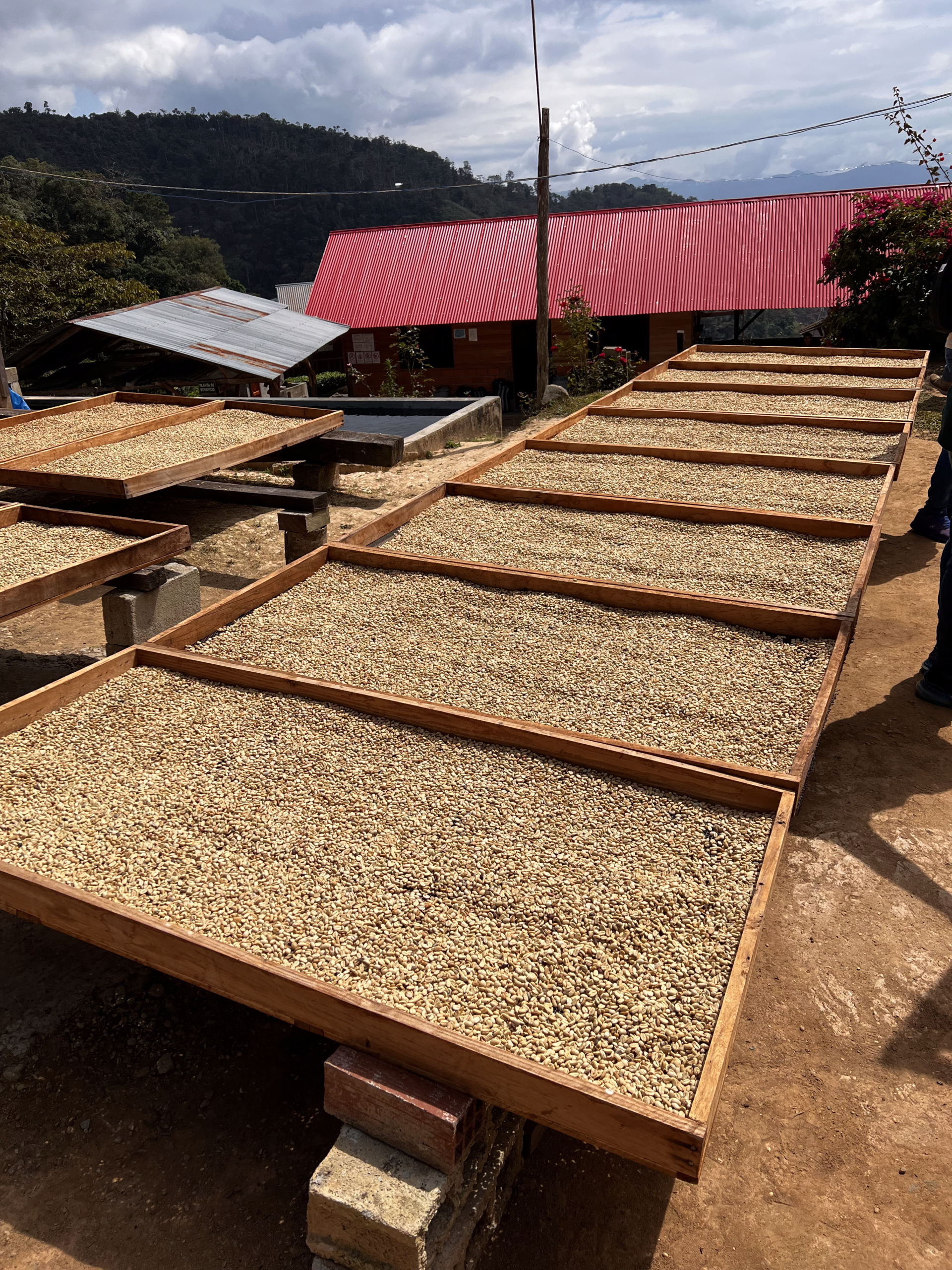
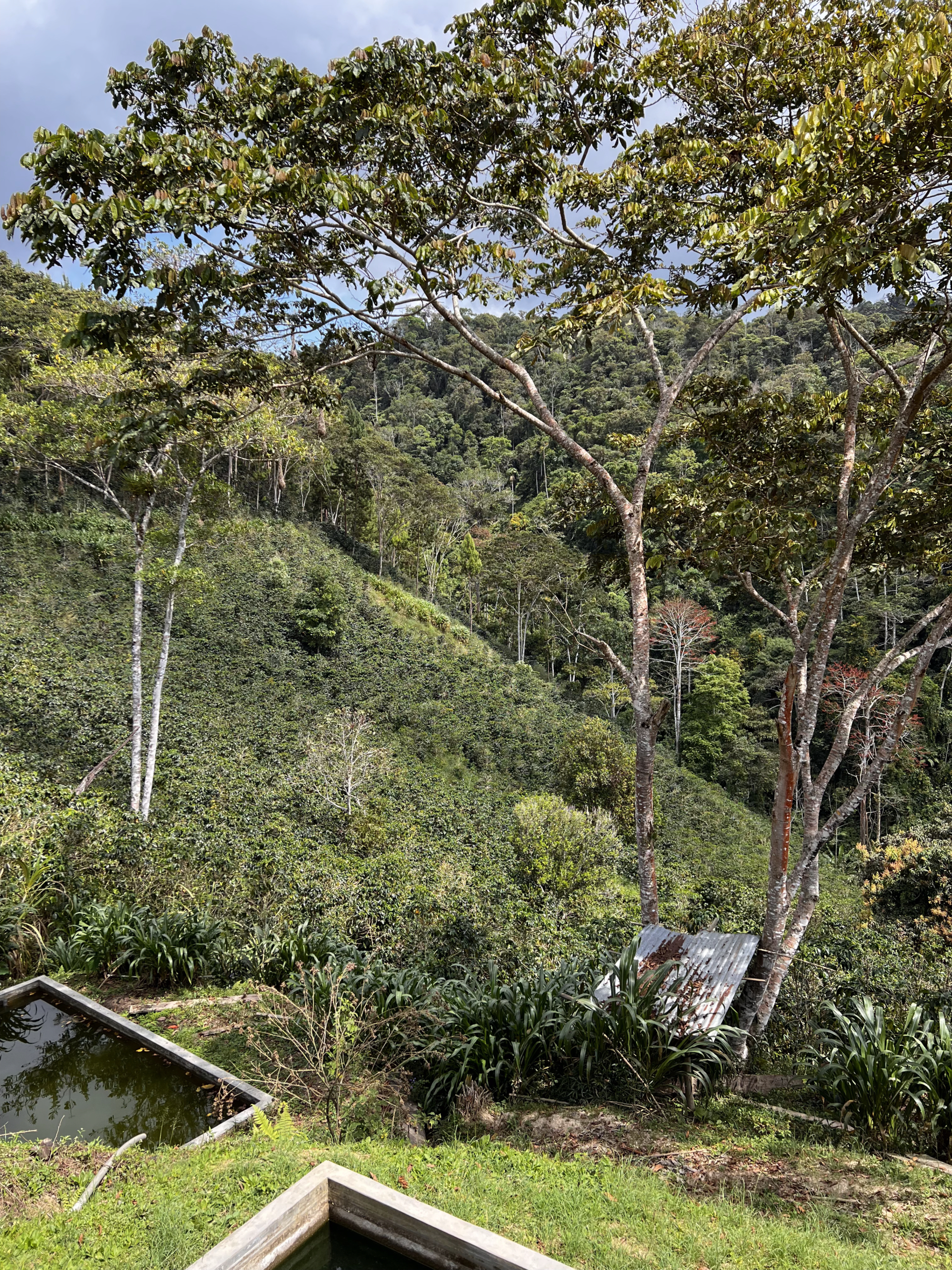
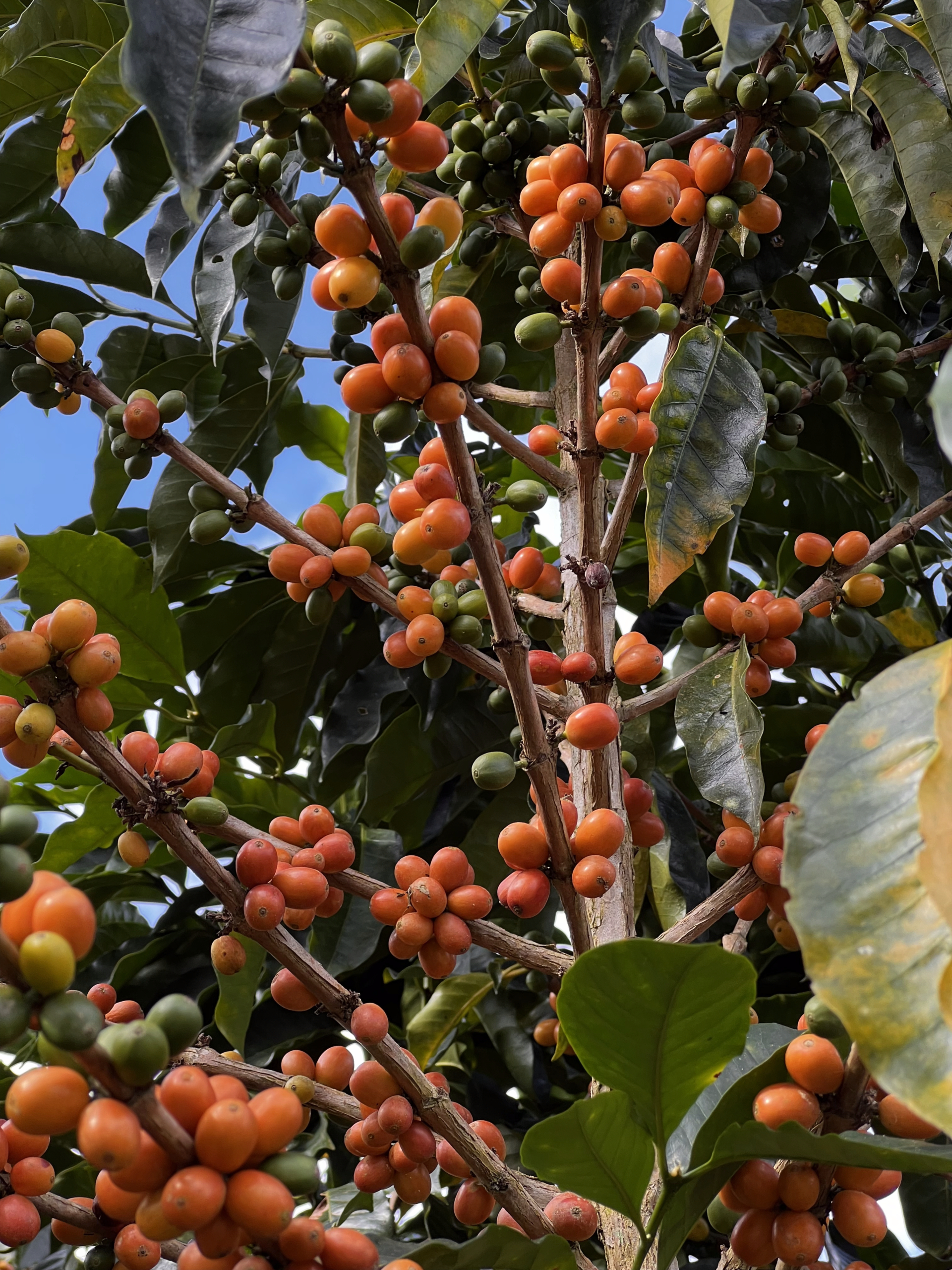

Peru’s coffee sector is built on smallholder agriculture, with most producers cultivating farms of three hectares or less. Although coffee was historically grown for domestic consumption, exports began in the late 19th century and today more than 110,000 producers contribute to Peru’s position as one of the world’s leading Arabica origins. Many of these farmers belong to Indigenous communities and cultivate coffee beneath a diverse shade canopy, hand-harvesting ripe cherries throughout the season.
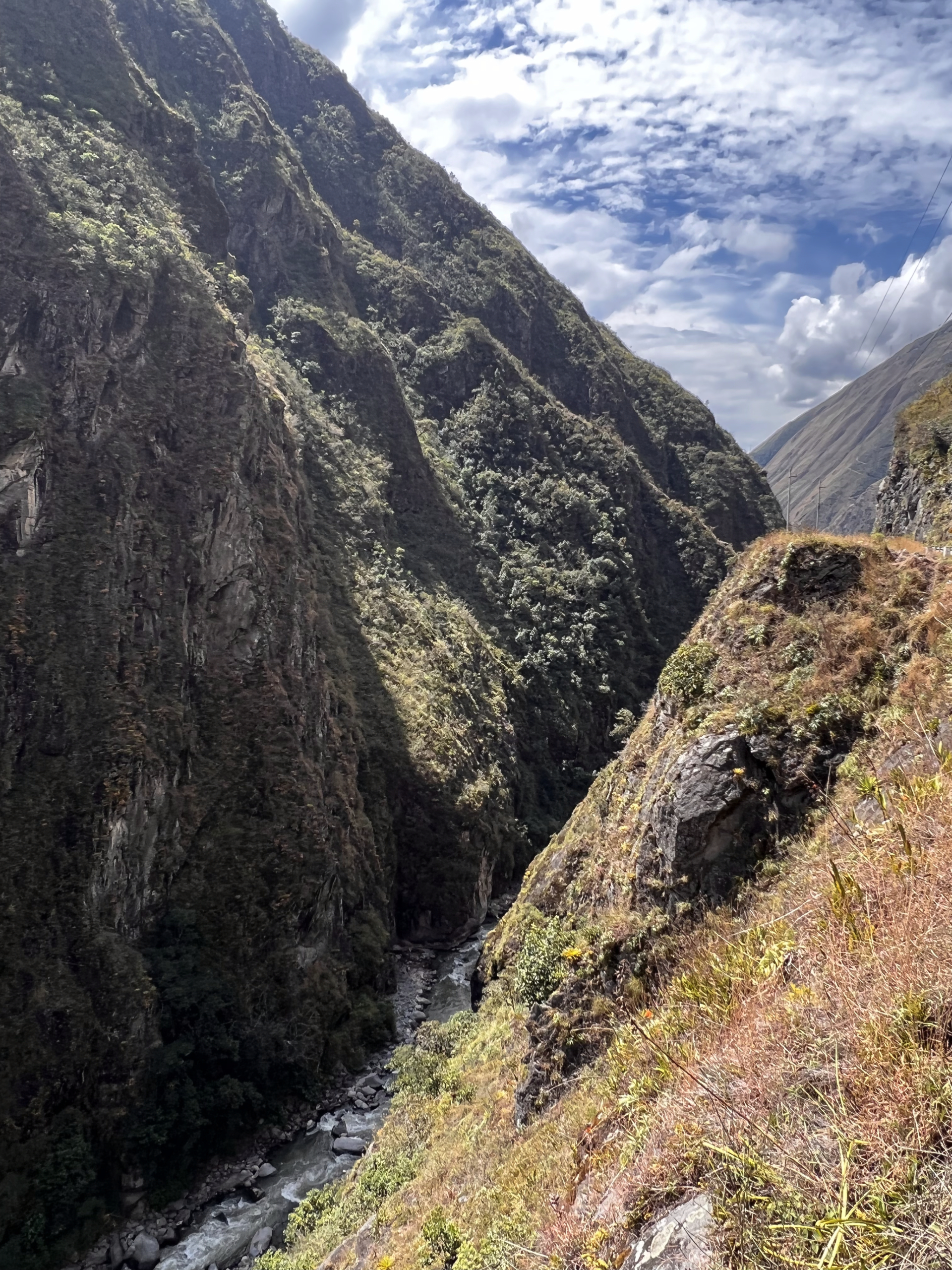
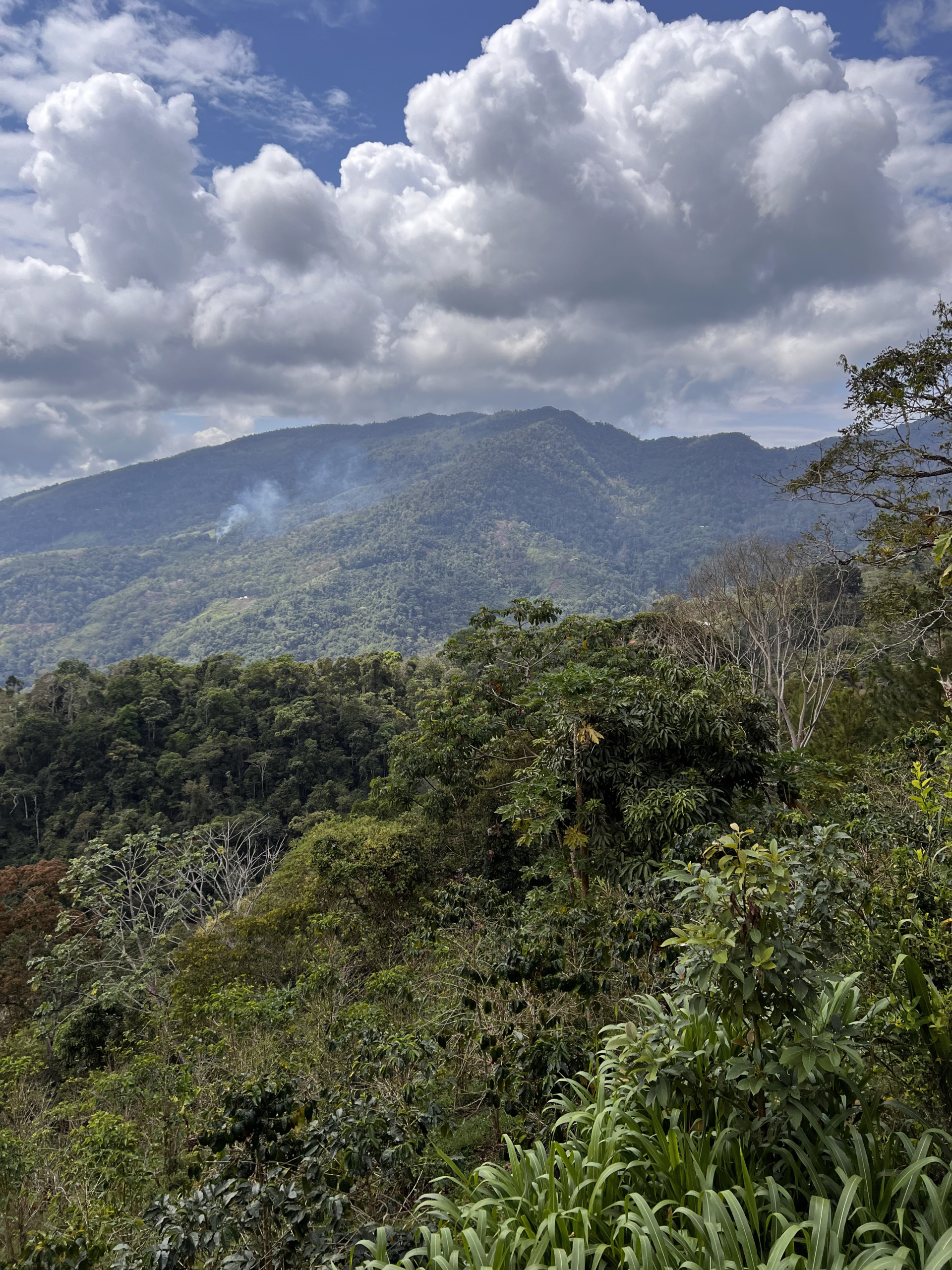
Peru’s remarkable geography creates an extraordinary range of coffee-growing environments. Stretching from the Pacific coast across the Andes and into the Amazon basin, the country’s varied landscapes produce countless microclimates. Coffee is generally grown in the northern, central and southern regions at elevations of 1,200–1,800 m.a.s.l., where high altitudes, fertile volcanic soils and favorable growing conditions contribute to the sweet, balanced and nuanced cup profiles for which Peruvian coffees are known.
Most Peruvian coffee is produced using organic farming practices, largely because many remote producers have limited access to synthetic agricultural inputs. Strong cooperative networks have also made third-party organic certification widely accessible, allowing producers to reach specialty markets while supporting environmentally sustainable farming practices.
Organic Certification
Peru is one of the world’s leading producers of organic Arabica coffee, with many smallholder farmers cultivating coffee under certified organic practices. Organic certification prohibits the use of synthetic fertilizers, pesticides and herbicides, instead emphasizing soil health, biodiversity and natural farm management. For roasters, certified organic coffees offer the assurance of traceability and compliance with internationally recognized standards while supporting farming practices designed to promote long-term environmental sustainability.
Understanding Coffee Grades
Unlike grading systems in countries such as Colombia and Kenya, where classifications are based largely on bean size, Peru’s G1 and G2 grades emphasize physical preparation and defect count. A Grade 2 (G2) coffee is a well-prepared washed Arabica with a minimum screen size of 15 and a maximum of 12–20 full defects per 300-gram sample, depending on the grading standard. While G2 allows for slightly more variation than Grade 1, it remains a widely respected specialty grade, producing the sweet, clean and balanced cup profiles that have made coffees from Peru a staple of the specialty coffee market.