

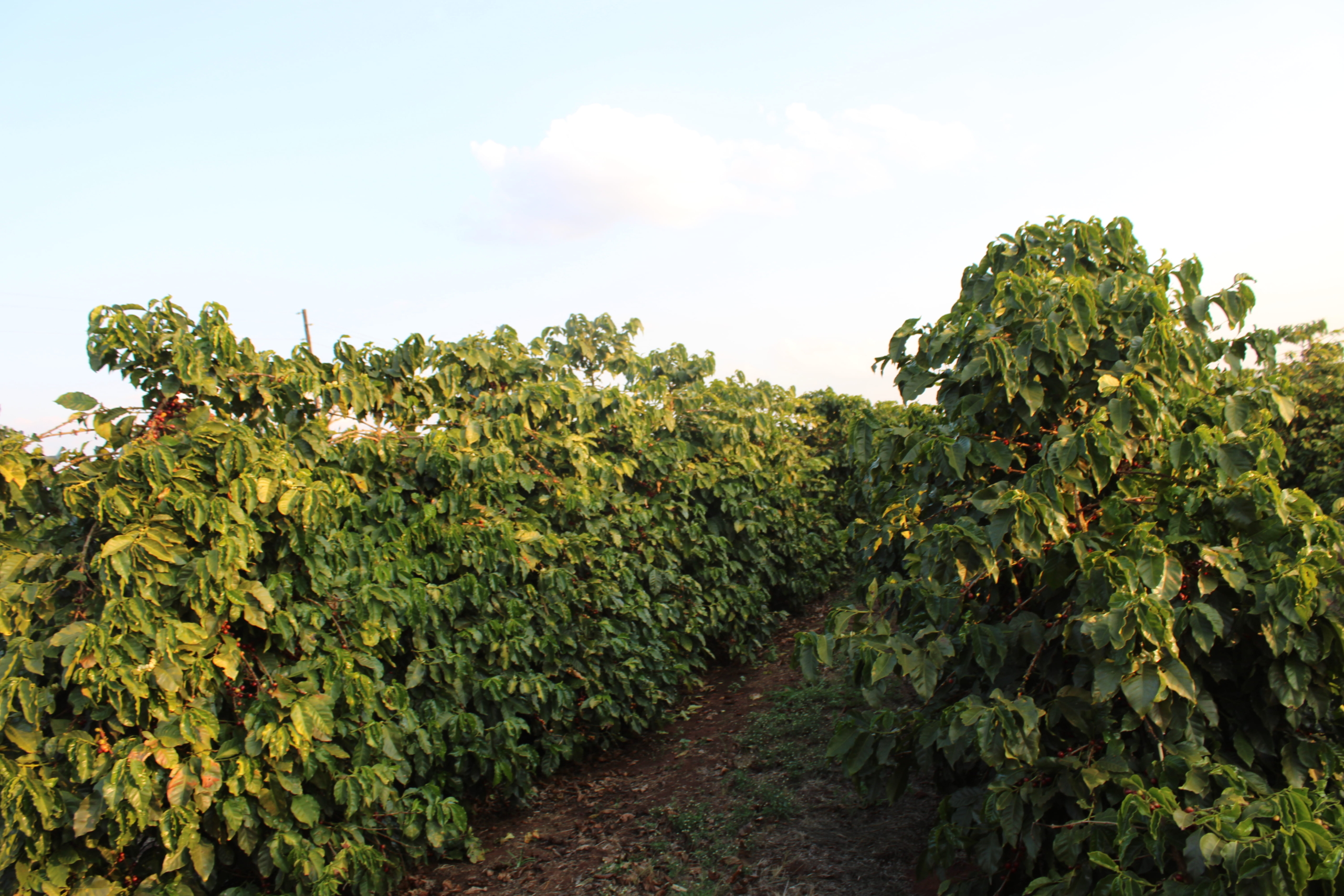
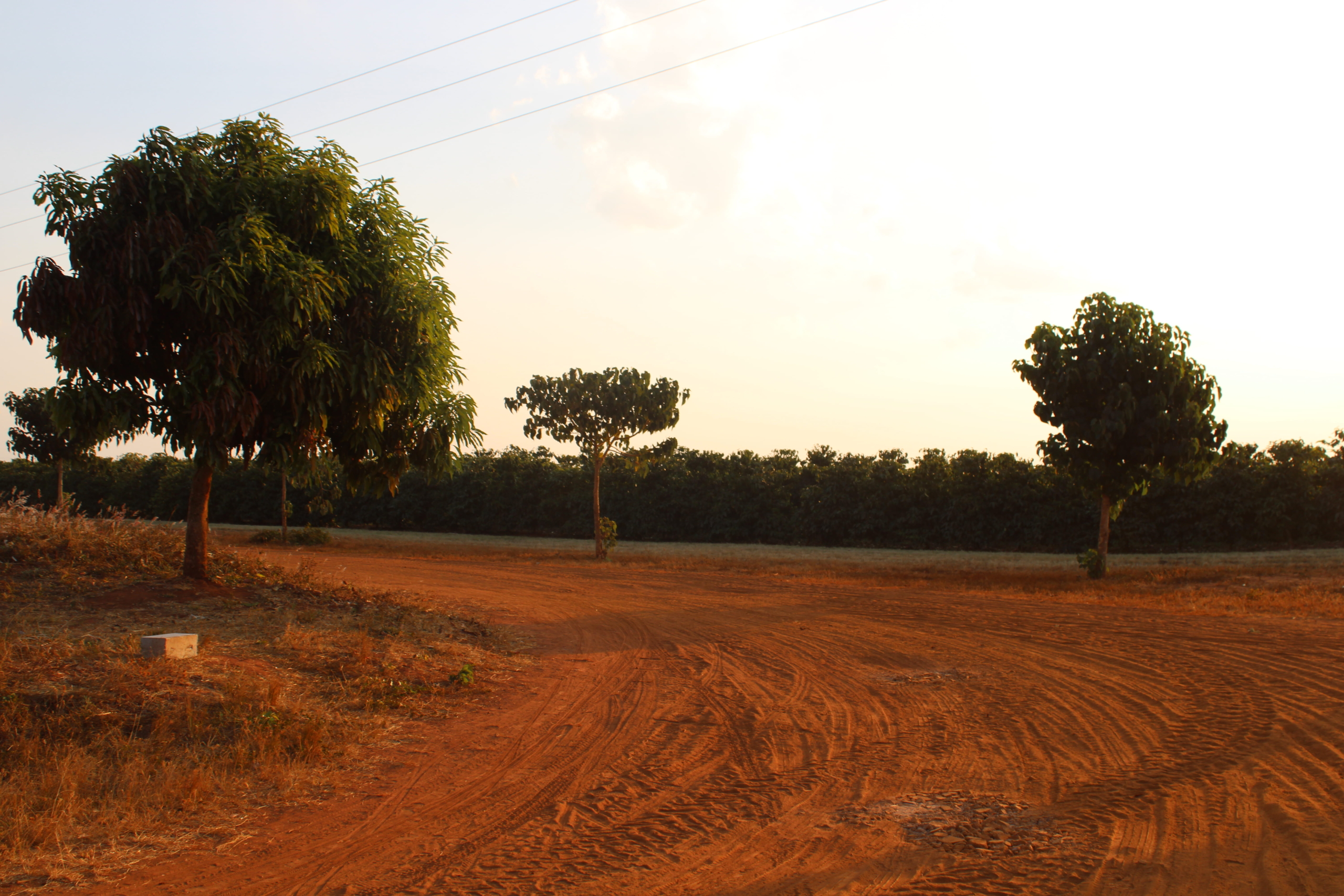
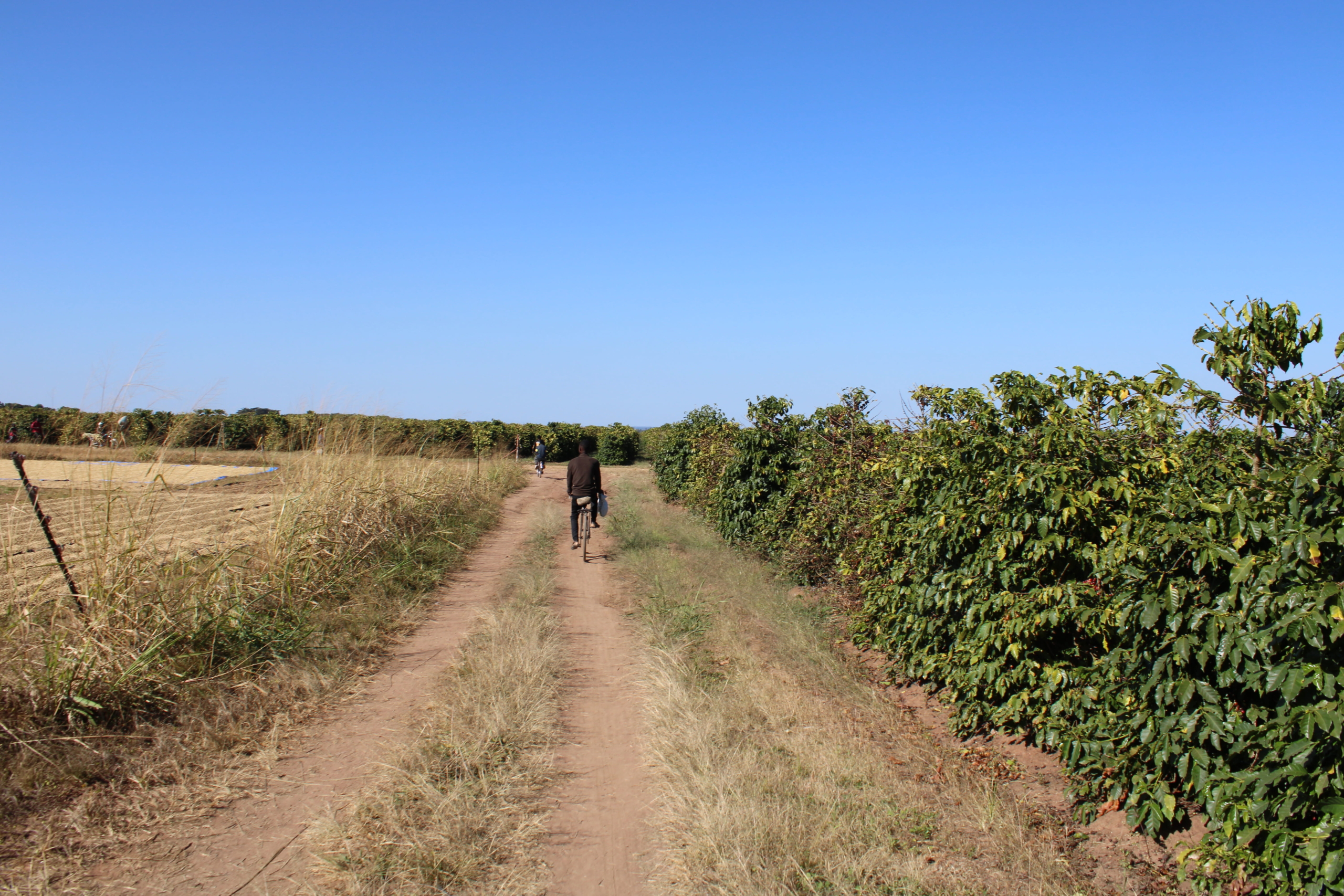

Zambia Lupili Rainforest Alliance is grown in remote areas of the Northern Province, bordering Tanzania and the Democratic Republic of the Congo. Here, altitude, climate and abundant freshwater create ideal conditions for high-quality Arabica. In fact, coffee production in Zambia’s Northern Province dates back to 1982, when the first commercial plantings were established along the southern shores of Lake Tanganyika.
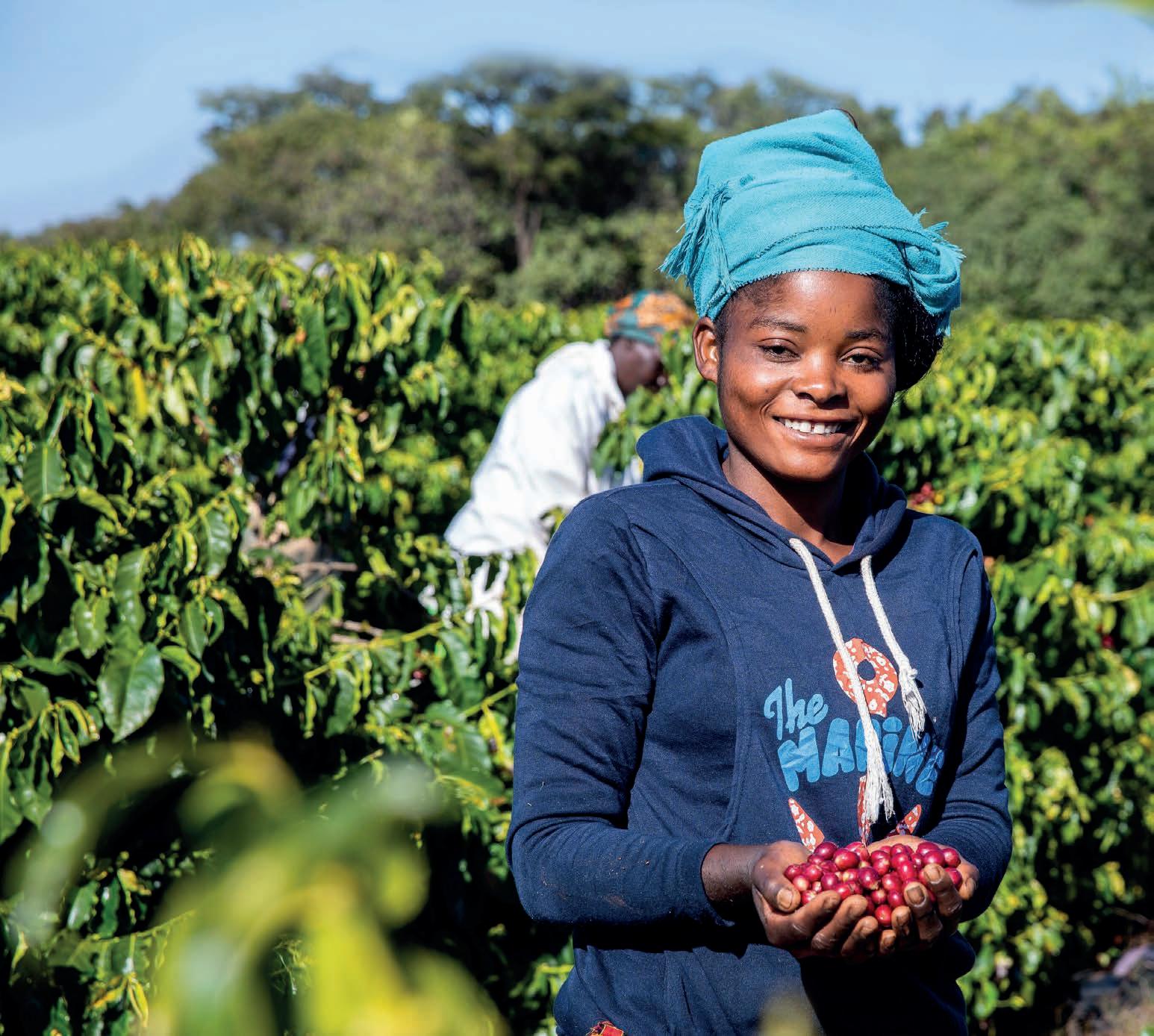
Coffee remains one of the most significant sources of employment in Northern Zambia, supporting approximately 4,000 permanent jobs and up to 10,000 seasonal workers during harvest. Investment in the region’s coffee sector has supported the development of eco-efficient wet and dry milling facilities, drip irrigation systems and research infrastructure aimed at improving agronomy and long-term productivity.
Coffee Details
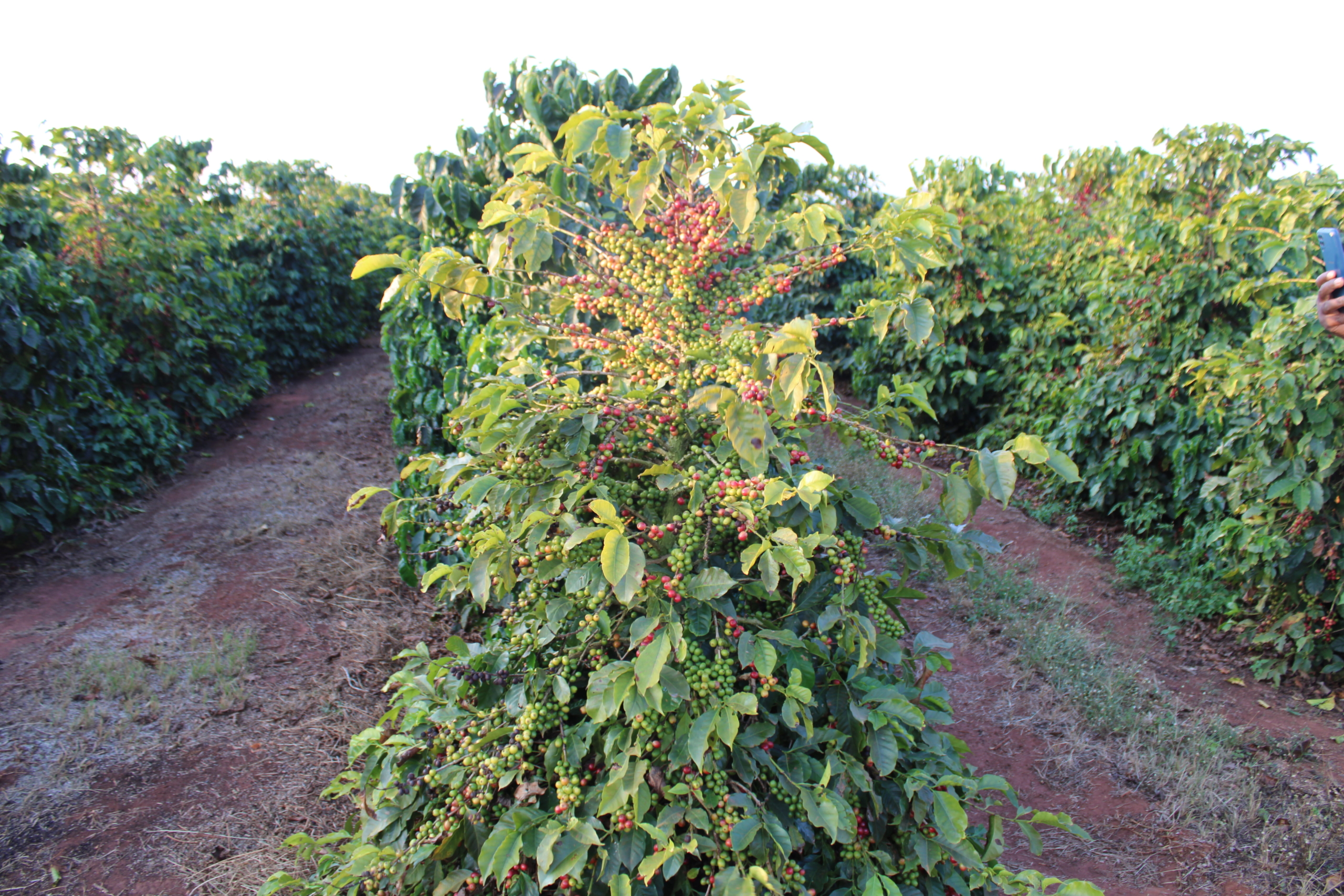
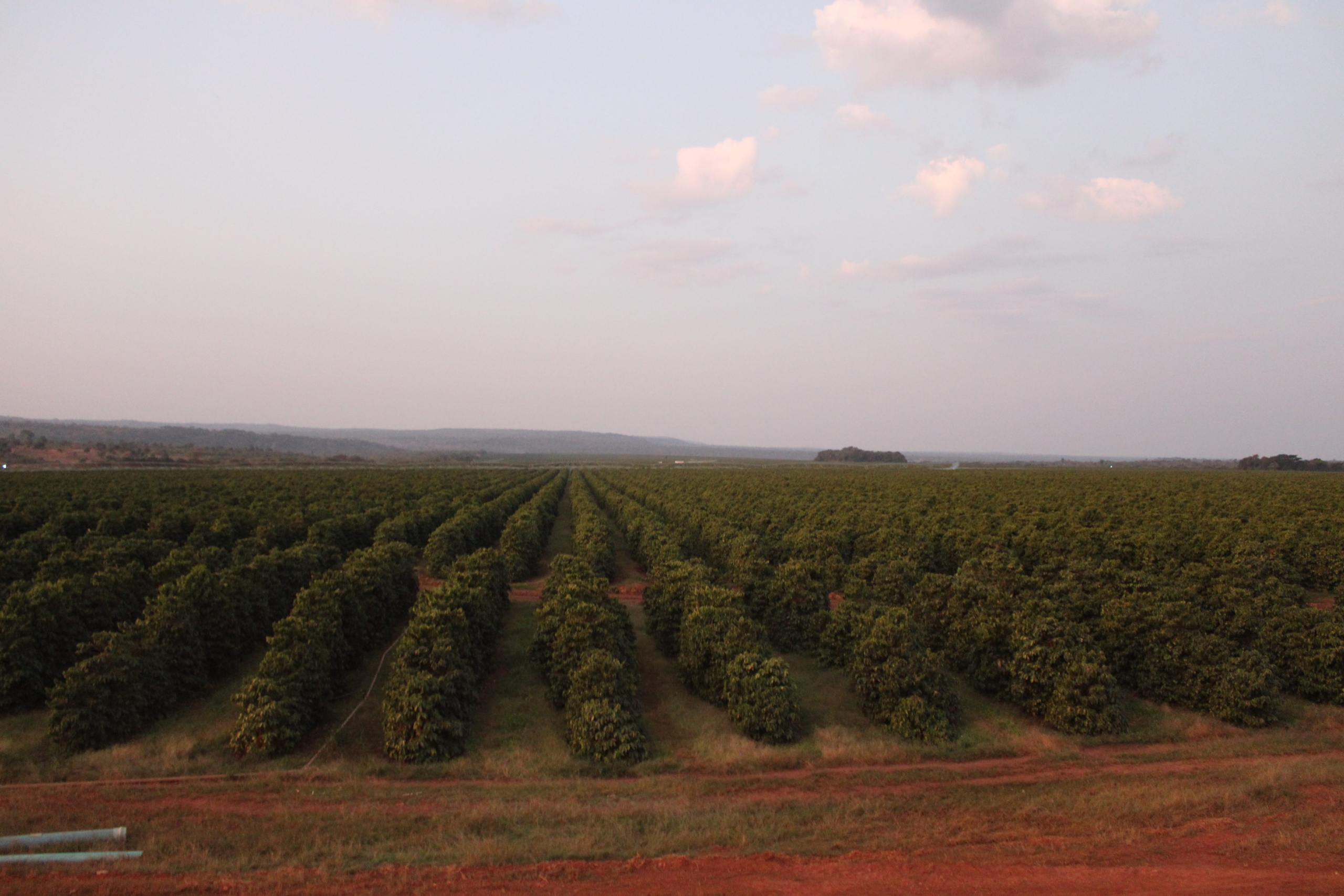
Zambia Lupili Rainforest Alliance is cultivated between 1,300 and 1,600 meters above sea level in sandy clay loam soils, across approximately 2,171 hectares. Annual rainfall averages around 1,100 millimeters and is concentrated between October and April, providing consistent moisture during key stages of plant development. Irrigation infrastructure — including dams, canals and reservoirs — helps support production while maintaining responsible water management practices. The rainy season is complemented by cool and dry winters.
Zambia Lupili Rainforest Alliance cherry is harvested at peak ripeness during the main harvest from July through October. Lupili coffees are primarily fully washed, with careful fermentation followed by sun drying on raised beds. Parchment is then rested in cool, aerated silos for approximately six weeks before hulling and export preparation, allowing the coffee to stabilize and develop clarity in the cup. Shipments typically begin in November and continue through March or April.
Lupili Estate
Coffee production at Lupili Estate is driven by ever-improving quality, social and economic standards. Community investments in infrastructure — including housing, clean water access, energy systems and medical facilities — help support the rural populations connected to coffee production and create new opportunity. At Lupili, over 35% of the permanent staff and two thirds of the management trainees are women, challenging the traditional gender roles dominant in these rural communities.
Additionally, environmental stewardship is a core component of production at Lupili. Nearly 2,878 hectares of the surrounding land are maintained as protected forest and ecological buffer zones, helping preserve biodiversity and watershed health in this sensitive region.